
In September 2025, 21% of U.S. apartments were offering rent concessions averaging ~8% off — about a one-month credit for the life of the lease, with the discount resetting at every renewal. Insurance per unit is up 55% since 2021. And 89% of Gen Z renters now rate resort-style amenities as less important than social, tech-forward gathering spaces.
Each of those numbers, on its own, is a footnote. Together they describe a market that is buying the same playbook from a decade ago — bigger pool decks, longer lounge hours, fancier coffee — and getting back diminishing returns at rising cost.
What the residents are actually doing
The Grace Hill / NMHC renter preferences survey, run annually since 2013, has trended in one direction every year: in-unit features (laundry, internet speed, sound isolation, smart access) score higher than common-area amenities. The amenity stack that "won the tour" in 2018 is increasingly losing the renewal in 2026.
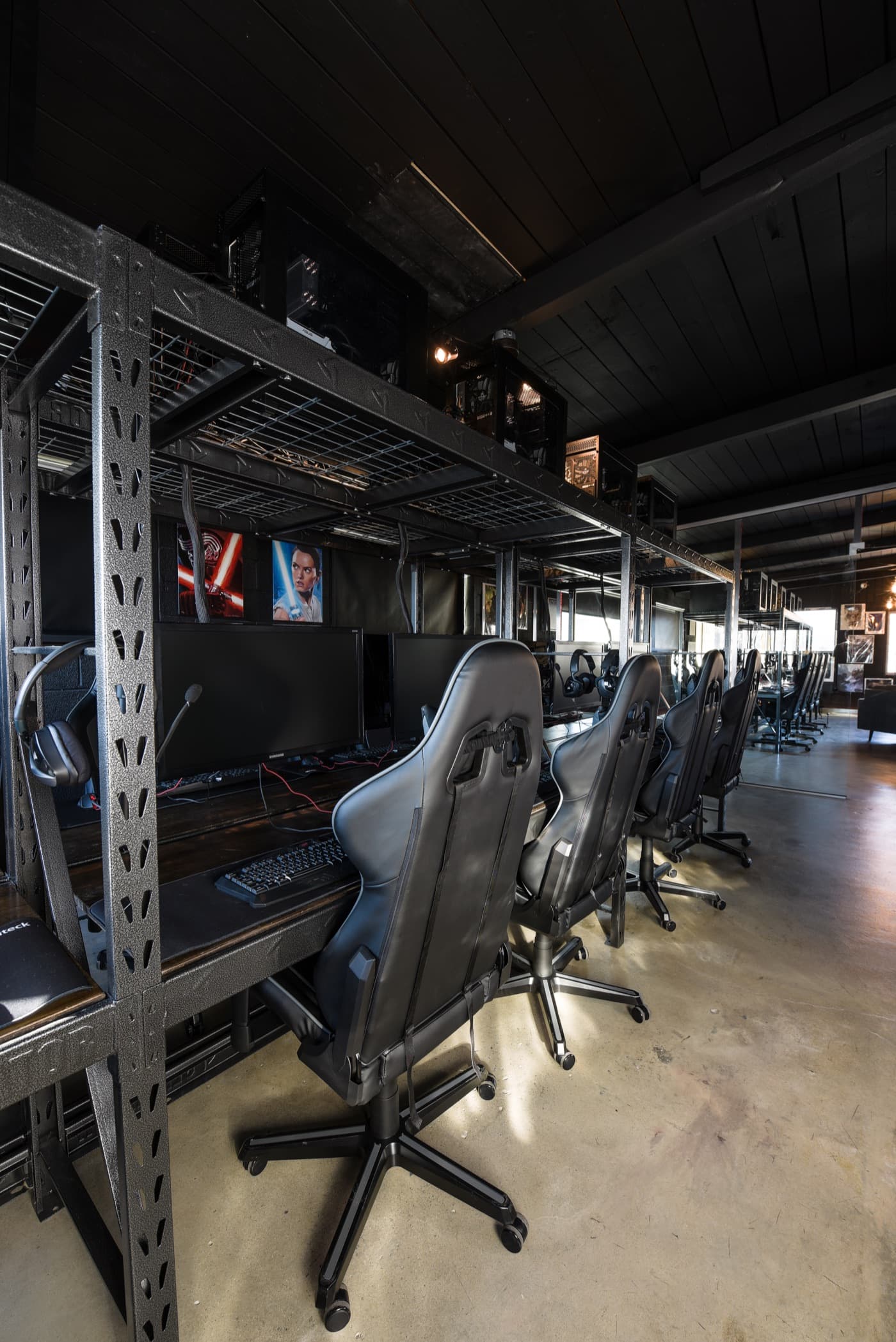
Where residents do show up — repeatedly, on weeknights, in groups — is in spaces designed for shared, technology-mediated activity. Esports lounges are now in the top five tour-day asks for student housing. Co-working nooks with real desks (not the open-plan "co-work" lounges of 2021) get heavy use. Game rooms with curated, maintained equipment outperform half-renovated rec rooms by an order of magnitude in usage data.
The ops gap nobody priced in
The single line item that most amenity pro formas under-budget is people. Industry research is clear: amenity spaces "look stylish but lack programming or staff to drive habitual use." A $400K screening room with zero programming gets used a handful of times per year. A $250K esports lounge with a managed game library and a tournament calendar gets used every weeknight.
Programming is not optional, and most properties don't budget for it because the brochure doesn't show it.
What's working, in one paragraph
The properties pulling away on tour conversion and renewal aren't spending more total — they're spending on a smaller number of high-utilization amenities, and they're paying for the operations layer (staff, programming, content updates, maintenance) that turns a room into a habit. That shift is what the next chapter of multifamily amenity strategy looks like.